
Our complete moving abroad checklist will hopefully make your transition to expat easy and stress free. Moving abroad can be exciting and scary at the same time, when I got offered the job in St Kitts, we were over the moon at the prospect of becoming expats but there was so much to organise it got rather overwhelming at times. We’ve created this handy checklist for moving abroad to help you do the same!
House
The first thing we had to decide was what to do with our house, we had owned our house in England for 6 years and we were in the middle of a huge project to convert the loft and turn our modest 3 bedroom semi into a huge 5 bedroom house, the project itself was costing us a fortune so we didn’t really want to sell it after all the blood, sweat and tears we had put into it.
The logical step was to rent it out, renting a house out in the UK is relatively straight forward, we contacted a local letting agent who came to assess the property and gave us an honest opinion on how much similar houses were being rented out for. We had a couple of friends who were very keen to move in, so we opted to rent it out to them.
We had to make our mortgage company aware that we were temporarily moving out of the house and we were renting it out. Luckily our mortgage provider was ok with this and we were able to keep our homeowner mortgage rather than changing to a landlord mortgage.
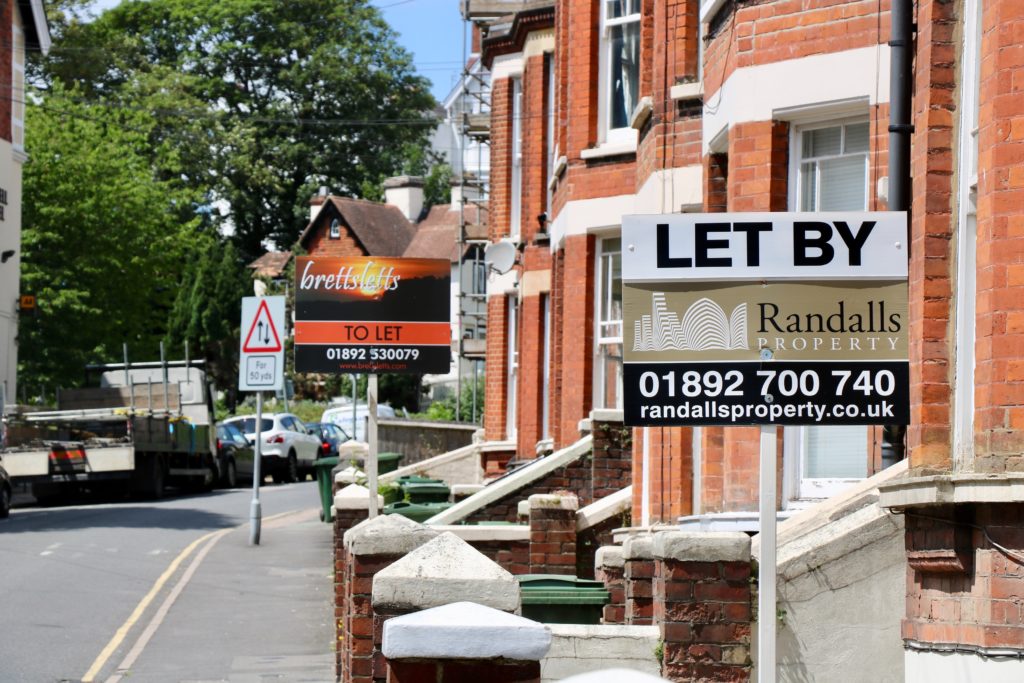
When renting out a house in the UK you can opt for several services, first you can pay the letting agent to find tenants, sort references and collect the rent and they can manage the whole process including sorting out any problems that may occur and arranging repairs. This is the most expensive option and the letting agents will take a percentage or the rent collected, but it can save you a lot of hassle and worry if you are not going to be around the chase tenants up or sort out repairs etc.
Second you can still use the letting agent to source tenants and sort out contracts and collecting rent, but you can manage the property yourself, this means sorting out any problems the tenants have and managing any repairs from wherever you are.
Lastly you can do what we did and have the letting agent draw up the rental contract and collect the deposit and the first month rent for a fixed one-off fee and then manage the rest yourself. Alternatively, you don’t have to use a letting agent at all, but we wouldn’t recommend this option unless you have a good knowledge of rental laws.
If you are renting out a property, even if it is your own home you will need to get landlord insurance to cover you and the property including contents in the event of accidental/deliberate damage as well as any legal fees if needed.
This should be the first thing on your moving abroad checklist even if you don’t own a house and are in a rental property, the first thing to do is check your tenancy agreement to see how much notice you need to give before you can leave. Once you have packed up all your things and given your notice you will need to make sure you sort out any minor repairs that you could be charged for and clean the place thoroughly so you get your security deposit back, I’d suggest getting a professional cleaner in to make the place spotless.
Pets
Ultimately you must think about what is going to be best for your pet. If you have a pet that hates travelling and it makes them super stressed out, then it might be better to consider leaving them behind especially if you are going to be moving on in a few years.
Friends and family are always going to be the best option for re-homing pets because you can check in on them and find out how they are getting along, but there are several different options available now that didn’t exist previously such as long-term fosters if you plan to return.
We brought our two cats with us to St Kitts, but we re-homed our other pets. You can read all about our experience and the pet export process here.



Packing and Selling
Packing up to move was a nightmare process, we tend to hoard things and decluttering to move abroad was like an extreme sport in our house. We sold so many things and we knew the lady in our local charity shop by name it was such a long process. We would recommend creating a moving abroad packing list and giving yourself at least 3 months to sort out all your possessions to avoid last minute stress.
Once you have sorted out and you know what you are taking you will need to organise an international removal/shipping company to take care of getting your possessions to you. The process was very easy and considering the amount of paperwork and the distance we thought it was relatively inexpensive to do. We only packed things we would definitely need and want or that we knew would be expensive to replace on island which helped keep the cost down.
Deciding what to take was the easy part, knowing what to do with all the things we didn’t want to take with us was a different matter. We ended up renting a storage unit and filling it with things we wanted to keep or things we weren’t sure about just because we ran out of time to sort out. When we went back home for a week and visited the storage unit to finally sort things out, the amount of junk we got rid of was insane. It left us wondering why we kept so much crap.
Make sure you grab our FREE Moving Abroad Packing List!

Car
If you have a car and you don’t want to keep it, the best way to earn money for it is to sell it privately, however, this usually takes longer than expected so we would recommend advertising it up to 6 months before leaving. There are various car buying companies that will pay you without any kind of part exchange but what they offer initially and what you get paid can vary significantly unless the car is in pristine condition.
Another consideration when it comes to selling a car is getting the money back for the tax, car tax can no longer be transferred with the vehicle in the UK so you will need to apply for a refund on any full months remaining. Also, you don’t want to be paying insurance on a car you no longer have so let your insurance company know you have sold the car and you may get a nice partial refund.
Visa and Travel Documents
If you are applying for a visa either to visit a country or for working purposes make sure you know the exact requirements of the country you are going to, and leave enough time before leaving to sort out getting any medical tests and replacement or certified documents you may need for entry. If you don’t you could be refused entry or denied a work permit which could leave you in a tricky situation.
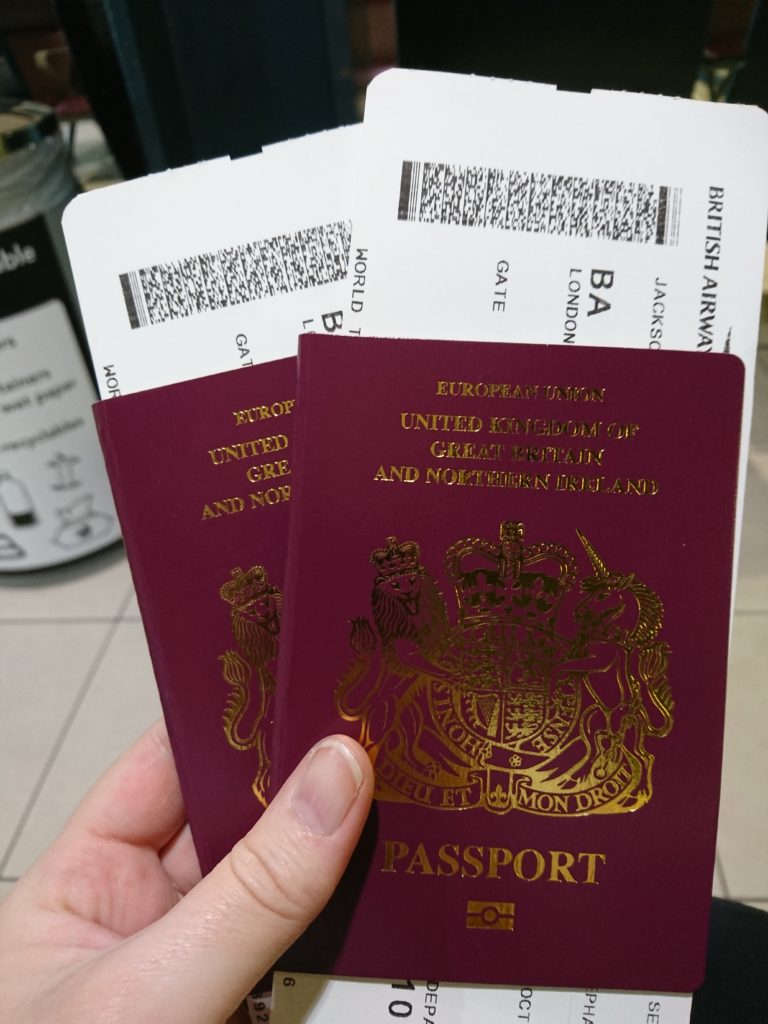
Another important thing to consider is your passport. Most countries won’t allow you to travel if your passport expires within 6 months and getting a new passport sent from the UK could be time consuming and costly. Passports are not just your gateway to travelling between countries but if you plan to work abroad your working visa is usually applied to your passport for immigration purposes.
Make sure you have copies of all your important documents or have someone at home who can access them for you, including birth certificate, marriage certificate, a copy of your passport, driving license, national insurance number and health insurance documents. We have scanned copies of all these things which we have emailed to ourselves in case they get lost, but it is also useful for things such as opening foreign bank accounts and applying for visas
Health Care
If you are moving to Europe, you are entitled to health care the same as a local citizen however it is worth applying for an EU health card which proves your entitlement to healthcare within the EU this is really only supposed to be for short term usage so check with your specific country on their health care requirements. Also, Brexit may affect this too so check your countries specific requirements as private health insurance may be needed.
If you are moving further afield it is worth checking the local healthcare system and determining if you require health insurance. Some workplaces will offer an international healthcare package as part of your contract, usually it covers standard medical care, but you get the option to add on spouse or family cover and extras such as dental and vision. It is worth checking your policy to ensure that in the event of an emergency you can get flown back to your home country or elsewhere for treatment if needed.
Before leaving the UK, you should also let your local GP and dental practices know that you will no longer require their services so they can remove you from their system.
Taxes and National Insurance Contribution
If you are moving abroad for more than one tax year you will need to let HMRC know you are leaving the country and give them your new address or an address of a relative so they can let you know about your taxes once the tax year ends.
We got a tax rebate of almost £500 so its worth letting them know where they can reach you to let you know. If you don’t leave a forwarding address you could be missing out on money you are owed.
They may also contact you if you have not paid enough tax for that year in which case it’s better to know how much you owe so you don’t get in debt with the government! Also be aware if you are moving to an EU country you may still be eligible to pay tax in the UK.
It is also worth noting that if you are renting out a property in the UK you may still have to pay tax on the rent received as it is an income source, it does depend on the amount you receive but you still have to complete a non-resident landlord form and send it to the HMRC so that they know you are receiving money from a property.
National insurance contribution is a complicated subject, as a British citizen you are automatically entitled to use the national health service, however if you miss out on paying national insurance contribution it can affect your state pension years down the line.
If you are working in certain countries in the EU, your national insurance contribution may automatically be deducted from your salary. You can also voluntarily pay towards your national insurance if you meet certain criteria but for clarity or more information contact the HMRC directly.
Voting from Abroad
Voting from abroad can be tricky depending on where you are relocating to. Postal voting is the most common way for expats to vote in UK elections and once registered for a postal vote you will not have to re-apply until the following year. However, if you are moving to a country with an unreliable postal service (Hello St. Kitts) then it may be better to apply to vote by proxy.
A proxy vote is where you nominate a trusted person to vote in person on your behalf, this could be a good friend or a relative. Each person in the UK can only be a proxy voter for 2 additional people that are not family members and like with the postal vote you do not need to re-register for a proxy vote each time there is an election.
Bills and Post
Don’t forget to add cancel all your bills and subscriptions that you will no longer need to your moving abroad checklist, we cancelled everything or transferred it to our tenants’ name apart from Netflix which we can watch the US version in St Kitts.
Common ones that you might need to think about include gas, electric, council tax, water, internet/tv/phone packages, mobile phone, tv license, amazon prime and online entertainment services such as Netflix/now tv/BBC iPlayer etc.
When leaving the country, we tried to remove ourselves from as many mailing lists as possible, certain things we forgot about like my weekly subscription to the Vet Times and our pets at home VIP club card. All of these add up to unwanted mail for either the new people in your house or if you redirect your mail your family members that are looking after it for you! (Sorry Parents!)
Mail redirection within the UK is very easy to sort out and can be done in a few minutes online from the royal mail website the prices vary depending on how long you want the redirection for, we chose to do a year as we should know what we are doing by then. If you are going to be gone long term, then you should consider changing your mailing address to avoid the added expense.

Finances
If you are planning to move abroad long term there can be a question of whether to keep your bank account open in the UK, there is no right or wrong answer but if you have outgoing payments or are going to be receiving a rental income then it would be sensible to leave it open.
If you are keeping your account open be sure to let your bank know you are going abroad so they don’t block your card in your new country. It is also worth switching to online banking only rather than paper statements but if you want to keep your paper statement don’t forget to change your address to a friend or relative so that sensitive banking information doesn’t go astray.
It is a good idea to cancel any UK credit cards that you may get charged for using abroad or switch to a credit card with no international transaction fees. If you are going to be staying in one country for a while it is worth opening a local bank account for day to day transactions and withdrawing money in a local currency.
Be aware that transferring money internationally can come with hefty transaction fees so if you need to transfer money between countries it may be worth considering an expat bank account specifically for dealing with multiple currencies, where you can transfer money between accounts without the fees.
Also check up on any student loans you have and the repayment options for moving abroad, you don’t want to get a bad credit rating just because you didn’t know you were supposed to pay while you were away. The same goes for any other loans you might have; you may be able to suspend the payments for while you are away but contact the company directly to find out.

Keeping in touch from abroad
One of the things that makes us really miss home is when we are missing a special event or a loved one’s birthday. We try to keep in touch as much as we can which is so much easier these days with social media and message services, we often use WhatsApp or Skype to call home using the free Wi-Fi in places but it’s not the same as sending a birthday card.
Luckily there are multiple greeting card services online nowadays that you can send a card from anywhere to anyone as long as they have an address. It’s pricier than going to a card shop and buying a card but they can be personalised anyway you want, and they always seem to arrive on time. Extra tip- keep a small folder of personal photos of you and friends/relatives so you can use personalised pictures cards which I find always go down well!

If you found this moving abroad checklist helpful or if you’ve thought of something we have missed, Let us know in the comments below!
Like this post? Save it on Pinterest!


Pingback: I Want to Move Abroad- Now What? - Book It Let's Go
Moving abroad can be such a stressful time but you’ve really broken down the important things to focus on with this guide – thanks!
Thanks Daniella I’m glad you found it useful 🙂
OMG, I have moved twice already; I owe half of my white hairs to it! I wish I could say “no more!”, but you never know what opportunities life might bring. I expect it becomes more complicated with children in the picture, but still doable. I’m happy it worked out well for you, guys!
Exactly always looking for the next opportunity
These are such fantastic tips! We are planning to move abroad in the next year or so and I have pinned this to refer back to regularly! We live in the U.S. currently but there’s certainly a lot of similarities. Thanks for posting!
Thank you Tegan I’m so glad you found it useful 🙂