
When we first started scuba diving in 2009, we had no idea what to look for in a dive centre. Over the years we have come to realise that not all dive centres are created equal. After a handful of mediocre experiences, we have come up with these 10 tips for choosing a great dive centre for every scuba trip.

1. Do your research
If you are going to be doing a lot of diving then we recommend researching local dive centres. Check out all the ones in the area you will be staying before arriving in your destination. This will give you a good idea of how many you have to chose from and the price range you are looking at. Also find out what type of dive centre they are.
We would always recommend diving with whichever organisation you are used to for example: Are they PADI, SSI, BSAC? If you want to do a course make sure they offer the courses you want to do and check out the people who work there. Are they an instructor, divemaster or master scuba instructor? Don’t take the websites word for it if you want to do a course. Go to the shop and make sure they offer it and have a qualified instructor and all the learning resources available.
2. Check the reviews
Reading a mixture of reviews from like minded people will often tell you a lot about a place. We like trip advisor because they generally have a good range of opinions but also check google if they are on it. Always read a mixture of reviews when choosing a dive centre. If the bad ones are all based on opinions like ‘didn’t see any turtles rubbish dive centre’ and not actually about the place, I’d take it with a pinch of salt. Always try and find reviews of the equipment if you are going to be hiring gear and about the instructors if you are doing a course. The last thing you want is handing over your money to just be handed another Padi card without doing the learning!
3. Check the prices
When choosing a dive centre it’s always important to check out the prices. If they are super cheap compared to the competitors, ask yourself why. Likewise if they are way out of your budget then it’s always worth asking if they do a discounted rate. Often you can get a deal for multi day dives or if there is more than one diver or even if you have your own equipment. Some places will discount the dive price for each piece of kit they don’t need to loan out. We have saved loads of money over the years by asking if they do discounts. If you don’t ask, you don’t get!
4. Visit the dive centre
When choosing a dive centre always check the location, is it close to where you are staying? If not you may end up with a commute each morning. Talk to the staff to see if they seem friendly, knowledgeable and helpful. Ask what kind of system they operate. Is it a conveyor belt system with 20 people at a time all clambering to get kitted up and out to the boat as soon as one group returns? Or is it a more relaxed atmosphere with a maximum number of divers per instructor/group and shore breaks between dives? We always go for the latter as smaller groups tend to be a more enjoyable experience. If its good dive centre they will team you up with similarly experienced people, so you won’t end up cutting your dives short because other people run out of air.

5. Meet the team
When meeting the team check if they are qualified. You can always do a Padi instructor search if you are unsure. Did they check your qualifications? Most dive centres will also want to check your log book for number of dives and to assess experience level. If they don’t ask to see your diving qualifications, I would leave immediately as they may be taking dangerous risks with unqualified divers. Ask if you can sit in on the dive brief before you sign up. A good dive centre will go over the basics of kit, hand signals and the boat as well as a run down of the dive site and what you can expect to see.

6. Inspect the equipment
The equipment is the most important part of your diving experience so be sure to check it out. Does it look well kept? Ask to see the maintenance records for the regulators to make sure they are serviced regularly and maintained. Check if the tanks are in good condition with no dents or rusting. If in doubt use a different place.
What kind of fins do they offer? Fins that require boots are most comfortable and easier for getting in and out of the water. Whereas slip on fins can rub if worn for long periods and may not be the correct fit. If you need to borrow a mask, make sure it fits correctly to avoid leaking. Also if you need a prescription mask check if this is a service that they offer.
Also check they have wetsuits that fit you! You don’t want to get 10 minutes into a dive and find you are cold from an ill-fitting wetsuit. I have a large bum, so I find getting a wetsuit that fits to be a pain in the ass (pun intended) so I usually bring my own which I know fits me well. When I do borrow equipment I also have trouble with BCD sizing. My own is a Mares XS winged BCD and most dive centres only offer Small. This often leads to my BCD slipping around once I’m in the water and sometimes it makes me roll onto my back!
Regulators should have clean mouthpieces with no funky smells and the ‘bit’ where you hold it with your teeth should not be broken or very worn. Also ask if they disinfect the regulators between uses, you don’t want any nasty surprises from a borrowed regulator!
Don’t forget your Dive Gear Checklist!

7. Boat diving
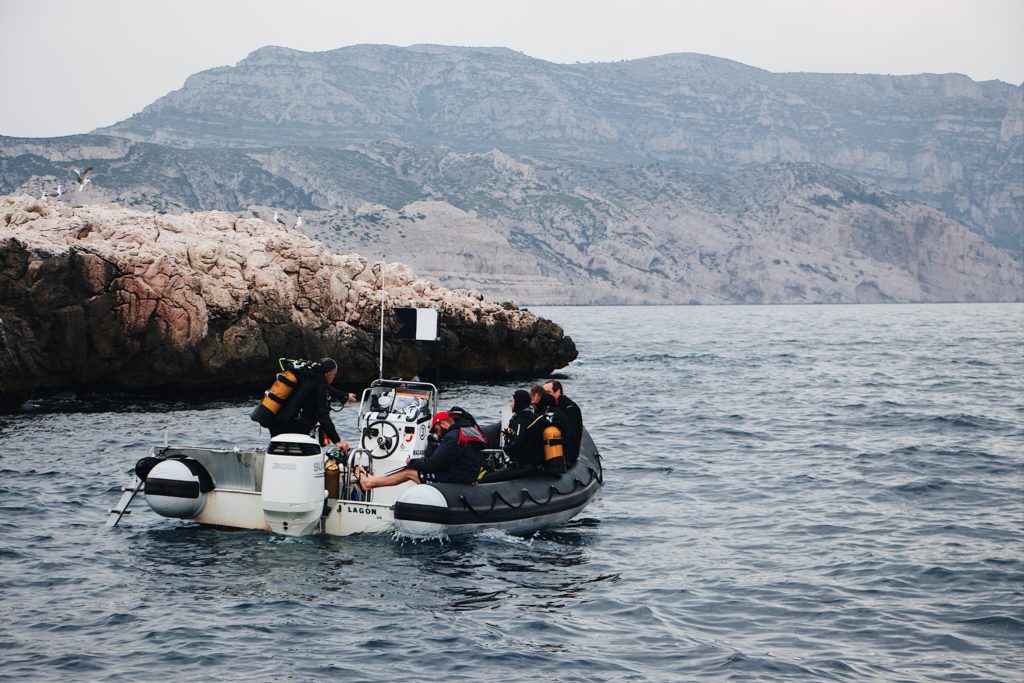
If you are going boat diving check if they have their own boat or if they boat share with another dive centre. Either way you should check the size of the boat as a large boat often means very large groups and a less personalised experience. If it’s a small boat, we have found that it is often a better diving experience. Make sure you are familiar with how to enter the water for the type of boat you are on. Do they require you to do a giant stride entry or a backwards roll? Check if someone will always be on the boat in case of an emergency. As a minimum the boat should carry a spare tank of air and a first aid kit. Also, many countries require dive centres to have a boat or provide boat cover for emergencies so checking this is a must!
8. Shore diving
Shore diving is a slightly different experience than boat diving. If you are choosing a dive centre that only offers shore dives make sure you can handle walking to the dive site from the vehicle and back again at the end of a dive. Sometimes this can mean 5-10 minutes fully kitted up with tanks and weights whilst wearing your wetsuit. And if you are on holiday this could be in hot or unfamiliar climates. So, if your overall fitness is not great you may want to opt for a dive centre that has a boat.
9. Dive sites
If you have done your research well you should know a few of the local dive sites. Check if your chosen dive centre offers dives to sites you want to visit. If you have your heart set on a wreck and you’ve found the perfect dive centre, but they don’t go where you want to visit. Maybe rethink what is important to you. Also check why they don’t offer that site as there may be a good reason they won’t go there at certain times of day/month/year due to currents or conditions etc.
10. Check their schedule
There is no point choosing a great dive centre to find they are fully booked. Check that they have availability when you want to go diving. Also decide if you prefer to go in the morning when the visibility is generally much better or the afternoon. Check what the dive centre offers before committing and make sure it fits in with your holiday plans.

When it comes to choosing a dive centre it’s not a one size fits all kinda task and what is right for one person may not be right for another. Hopefully these tips will help guide you in selecting what’s right for you. So, once you have found your perfect dive centre all that’s left is to enjoy yourself!
Whenever you plan to go scuba diving we recommend having travel insurance that covers you for any accidents or injuries. Check out World Nomads for comprehensive scuba diving insurance.
Did you find this guide helpful? Anything that you would add? Let us know in the comments!
Like this post? Save it on Pinterest!


Pingback: The Only Dive Gear Checklist You Will Ever Need - Book It Let's Go
Pingback: Diving in Kenya, an Incredible Dolphin Dhow Safari - Book It Let's Go
Pingback: 50+ Amazing Gifts for Overseas Friends and Family - Book It Let's Go