

When going on safari it’s easy to overpack for the occasion. There is also a huge need when travelling in Africa to travel as eco-friendly as possible because they don’t have the same systems in place for waste disposal as in the UK or USA. Therefore, making zero waste travel swaps is essential where you can. Also knowing what kind of safari you are going on is an advantage but in general safaris can be a dirty business. From the dusty red roads to the muddy paths and swampy streams any gear you take on safari needs to be durable. With this in mind we have created the ultimate safari packing list so that you will know what to pack for safari and some things you probably didn’t think of!
Table of Contents
Safari Luggage
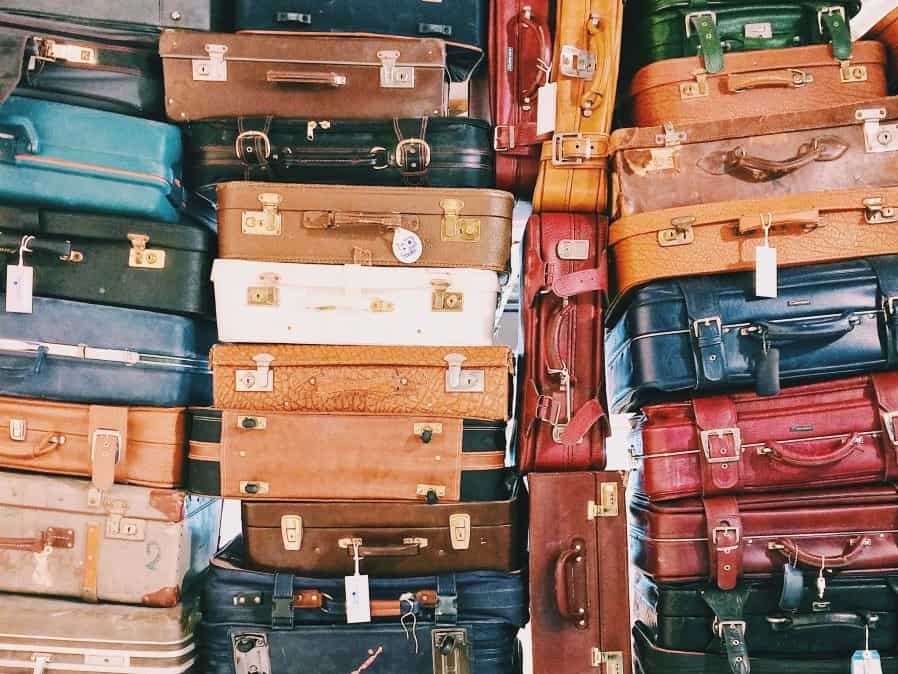
No safari packing list would be complete without discussing the type of luggage to pack everything into for your trip. The length of your safari and also the type of safari you are going on will determine what kind of safari luggage you will need to take.
Safari backpack- When we went on our 3-day safari to Tsavo National Park in Kenya we took one osprey farpoint 40L backpack between us. We love our osprey backpacks because they are super hardwearing, they open like a suitcase so are really easy to pack and come with the Osprey All Mighty Guarantee.
For a longer safari you may need a larger safari backpack so we would recommend the osprey 70L farpoint if backpacks are your thing or if you are doing a walking safari and need to carry your belongings and bedding items. The 70L offering also comes with a built-in daypack which is great for holding everything you need on your safari game drives. It is also worth noting that the Farpoint is the men’s version of these backpacks but they also do a women’s version which is better suited to a female frame called the Fairview these come in all the same size varieties as the Farpoint.
Safari suitcase- If a suitcase is more your style or you don’t want to carry around a backpack then take a suitcase if your safari will allow it. We use IT cases for our luxury travel when we are not backpacking around, as they are very lightweight and they hold up very well at airports. However, if you are going to need to wheel your cases across uneven ground then you might be better off with the Samsonite Frame Lock suitcase which has a hard shell and steel reinforced wheels. If you are going on a long safari tour then the ideal safari suitcase would be soft sided or even a wheeled backpack or holdall because on many overland tours you will need to fit your safari luggage into a relatively small locker and most suitcases wouldn’t fit so make sure to check the dimensions with your tour provider.
Safari bag- You will need a small safari bag to put all of your things into so they don’t fall out of your safari vehicle. We used these Gonex packable daypacks for our trip because they fold up really small and don’t take up much luggage space. If you want a more durable safari bag with extra padding then we recommend the Osprey daylite daypack. If you are going to be using your daypack out and about in towns and cities and want extra safety from theft, then we recommend getting a Pacsafe Metrosafe backpack which has lockable zippers and cut proof material which is a lightweight steel mesh.
Safari Clothes and accessories
As with any trip you will need enough clothes for the amount of time you are of safari but unlike most trips you need to take into account that you will get dusty and dirty on your safari. So, unless you’re planning to do laundry in your Safari Lodge then you will need to take enough clean clothes for each day. If you are packing light or doing a really long safari you will want to take something to wash clothes with.
If you have the luxury of space to take multiple pairs of shoes, then you will need something hard wearing to wear on safari and something comfortable to wear in your safari accommodation in the evenings.
You may also need swimwear to use in your safari lodge pool, perfect for cooling off after a hot safari, and thinking about bedtimes you will want night wear to help prevent mosquito bites, the more you have covered up the less likely you are to get bitten by mosquitos.
Check out our handy guide on what to wear on safari for more in-depth information on safari clothing and shoes.
If you do plan to wash clothes on safari then you will need eco-friendly, lightweight laundry soap bar to wash clothes by hand. This one uses all-natural ingredients and is fragrance free, great for people with sensitive skin.
Sarong/wrap as an extra layer to keep you warm on cooler safari mornings and evenings or to use as a cover up or as a towel by the pool in your safari lodge.
A safari hat to keep the sun off, the best kind are ones that you can secure under your chin, so that they don’t fly off while speeding along the safari tracks.
Buffs are a great alternative to keep the sun off, they are long tubular pieces of cloth that can be long or short, straight or scrunched up and can also be used as a face cover to stop you breathing in dust on safari or as a head cover for visiting places of worship on your travels.
Sunglasses are a must to protect your eyes from the sun and the dust on the road, especially in notoriously sandy places like Namibia. There’s no need to spend a fortune on designer sunnies though because they are likely to get scratched up by the dust and sand. Just get ones that are rated for UVA and UVB protection.

Tech and equipment to take on safari
Binoculars are always a good idea on safari so you can spot animals that are far away, in the bush and up in trees. This pair are compact, lightweight and easy on the wallet so if you lose them or they break it’s not the end of the world, the quality is not as good as others though so you might miss out of spotting elusive animals. These binoculars by Apeman are good in low light and still fairly compact for travelling, they also have a mount for a smartphone so you can take pictures directly through the binoculars which is a great advantage. For high end binoculars these ones are highly rated, great in low light with night vision assistance, durable waterproof body and large lenses for a wider view field they are the professional choice for safari binoculars.
Did you even go on safari if you don’t have pictures of the big 5 to prove it? An absolute must for any safari is good quality photography equipment. I’m not saying everyone suddenly has to be a professional photographer but being able to take high quality pictures that you can show your grandkids in years to come will be worth it.
When we went on our safari in Kenya, I took my trusty Sony A7 and a whole bunch of lenses, my favourites being my 400mm zoom lens, my 125mm wide angle lens and my 50mm portrait lens. With these few different lenses, I managed to achieve the beautiful pictures that you see all over this blog. But that’s not all I used, like a typical tourist I also snapped some quick pics with my Sony Xperia smart phone and my brother only used his iPhone for the whole trip.

If you do invest in a nice camera for your trip, then you are going to want a good quality camera bag to protect your camera gear when you’re not using it. I swear by Lowepro as a brand and my Lowepro case has been going strong for over 10 years now. This Lowepro Adventura case is as close to mine as you can get now and holds your camera with lens attached plus room for extra lenses and accessories.
Also for those cheesy ‘look at me with an elephant pics’ a selfie stick is a good investment, this one is waterproof too so you can use it underwater.
After I almost dropped my phone next to a cheetah I would definitely recommend getting a phone case with a wrist strap or a universal wrist strap you can attach like this one so you don’t lose your phone and all your pictures in the process.
Powerbank to charge your devices on the go and at night as some lodges turn the power off to attract the wildlife.
Headlamp or small torch so you can find your things in the dark.
If you want to take your drone on safari there are some things you need to know before hand. Lots of countries in Africa have banned the use of drones in National Parks and others you need to apply for a special permit to fly your drone from the Civil Aviation Authority in the country in question which can be costly. But if you really want those magical aerial photos and videos then it might be worth it and certainly much cheaper than the fine for flying an unauthorised drone.

Food and drink on safari
The safari lodges we stayed at in Kenya had the option for full board so we had all of our meals included in our trip but that may not always be the case depending on the type of safari and your budget.
You will definitely want to pack a water filter bottle and refillable water bottle to help save the planet. The filter bottle is handy so you can drink the tap water but an extra refillable bottle that you can fill with your filtered water is always a good idea and usually a larger capacity. We used this Water2Go filter bottle throughout our stay in Kenya and we never got sick from drinking the tap water, we used it to fill up our Hydroflask that keeps our water nice and cool and also the kettle in our hotel room.
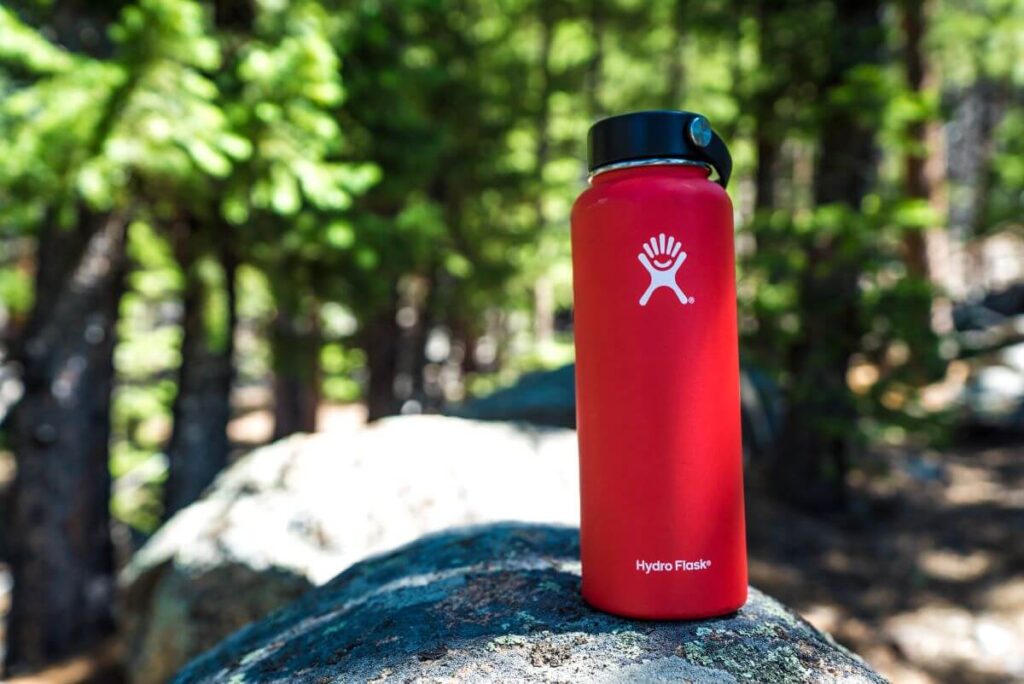
It’s also a good idea to take a reusable cup for your drinks to reduce any single use plastic cups that tend to be handed out around pool areas.
Don’t forget to take safari snacks, we love plastic free options when we travel such as fruit and nuts, but we also took a small plastic container with us on safari so that we could take breakfast pastries and cakes as safari snacks during the day. This was especially good for the nephews who always seem to be hungry! If you do take snacks that are wrapped in packing please take it with you!
Towels and Linen for safari
Taking a towel to use in the safari lodge is a good idea as most safari lodges have a pool you can use. Every towel we travel with is from Sandcloud because they are super lightweight Turkish cotton, fast drying and really soft. They also double up nicely as a beach coverup and a blanket for chilly mornings on safari or overnight flights. Oh and 10% of the profits go to marine conservation!
If you are going on a budget camping safari you may need to carry your own sleeping supplies, usually a mattress is provided but you might want to take extra in case they are particularly thin. You will also need to bring your own lightweight sleeping bag or a silk sleeping bag liner and a pillow, if you are travelling on safari for a long time it’s worth bringing a full sized pillow rather than a travel one.
Packable mosquito net just in case your safari lodge doesn’t have one. We prefer the rectangular ones as you are less likely to roll into the sides.

Toiletries and medicine to pack for safari
Sun cream, this goes without saying in the heat of the day in a open sided vehicle you are going to get sun exposure. Protect yourself with an easy spray sun cream and don’t forget to reapply.
Bug spray with DEET to deter the mosquitos, always get the highest protection level available that is rated for protection against malaria carrying mosquitos. We only ever use Jungle Spray maximum protection which comes in a spray and also a handy compact roll on which is great for on the go so it doesn’t blow in your face.
Mosquito band as extra protection. This is the one we used the sounds are barely audible to human ears, so it was easy to forget you were wearing it. Just don’t get it wet!
Most safari lodges will provide small hotel sized shampoo and soap so if you’re not fussy then these will be fine to use for a few days. If you have sensitive skin or really like a particular brand then you will need to bring your own. We recommend decanting some into these miniature travel bottles to save space.
Toothbrush with travel case, bamboo toothbrushes are a great alternative to plastic toothbrushes while travelling.
Toothpaste can be bought relatively cheaply in Africa so if you have time and want to save on weight buy some on arrival.
Hairbrush to detangle your mane after it’s been blown around in your safari jeep.
Hairbands to stop your hair blowing in your face during the game drives. I just used my Buffs headband which also doubles up as a hair tie.
Antimalarial meds are essential on any trip to Africa, these should be taken as recommended by your doctor.
Antinausea pills if you get travel sickness, there is usually a lot of driving involved on safaris unless you are doing a walking tour.
Antihistamine pills and cream to help calm the itch if you do get bitten by mosquitos.
Plasters for minor cuts and grazes.
Antiseptic cream for minor cuts and grazes
Paracetamol for aches, pains, headaches, sunburn, always useful to carry some.
Antidiarrhoeal meds because you never know if you are going to react to some badly washed salad.
Hand sanitiser to use after visiting the questionable safari bathrooms that may or may not have running water and soap.
There we have it our ultimate safari packing list. Be sure to grab your free printable safari packing list down below and let us know in the comments if you enjoyed this post or if there’s anything essential you think we need to add!
Check out these other posts you may like:
- 18 Easy Zero Waste Travel Swaps You Can Make Today
- What to Wear on Safari- A Complete Outfit Guide
- Best Safari Destinations in Kenya
- Best Safari Lodges in Kenya
Like this post? Save it on Pinterest!


